Building a Remote Outbound Sales Team Across Time Zones
Introduction
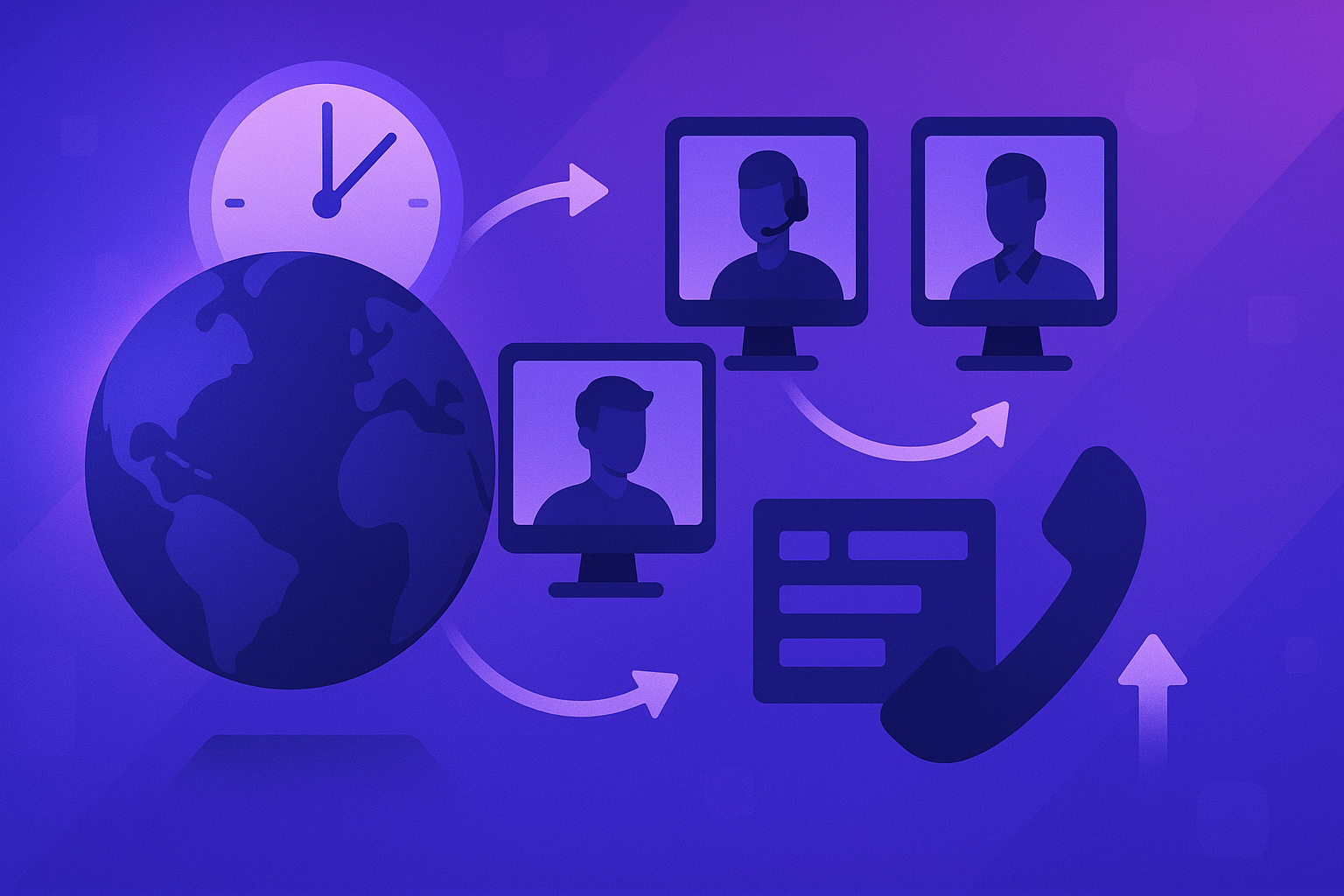
Building a remote outbound sales team can be a game-changer for businesses looking to tap into different markets, particularly the US from regions like Ukraine. However, managing a team across varying time zones brings unique challenges. This article offers practical strategies for recruiting, training, and managing an effective remote outbound sales team, ensuring success regardless of geographical boundaries.
Recruiting the Right Team Members
-
Identify Key Qualities
Look for candidates with excellent communication skills, resilience, and adaptability. Experience in outbound sales is a plus, but even a strong customer service background can translate well. -
Leverage Various Platforms
Use platforms like LinkedIn, Upwork, or specialized recruiting sites to find talent in different regions. Make your job postings clear about the role, expectations, and working hours. -
Create a Rigorous Selection Process
Incorporate multiple interview rounds, including role-playing scenarios that mimic outbound sales calls. Evaluate not just their skills but also cultural fit and time zone compatibility. -
Consider Language Proficiency
Familiarity with English is essential, but don’t overlook candidates who possess native-level proficiency for specific markets, especially if you’re targeting a niche audience in the US.
Training Your Outbound Sales Team
-
Develop Comprehensive Training Programs
Outline specific training sessions for product knowledge, sales techniques, and customer relationship management. Use recorded training sessions for future reference. -
Utilize Technology
Tools like DialLead can help in simulating outbound calls and allow new hires to get hands-on experience. Not only does it provide a browser-based dialer, but also facilitates call analytics to improve skills over time. -
Incorporate Role-Playing Exercises
Conduct role-playing scenarios to prepare your team for real calls. Pair new team members with experienced sales reps to foster mentorship. -
Set Clear Expectations and Goals
Clearly define performance metrics from the beginning. This could include minimum call quotas, conversion rates, and daily reporting standards. -
Encourage Continuous Learning
Offer access to online courses or workshops. Encourage participation in industry webinars to keep your team updated on best practices and new techniques.
Managing the Remote Team
-
Establish Flexible Working Hours
Create a work schedule that accommodates the diverse time zones of your team. For instance, designate overlapping hours for team meetings and crucial call times. -
Use Collaboration Tools
Utilize tools like Slack, Trello, or Asana for seamless communication. This keeps everyone in the loop and allows for easy tracking of tasks and responsibilities. -
Regular Check-Ins
Schedule regular one-on-one meetings with each team member to discuss their progress, provide feedback, and address any concerns. This is crucial in a remote setup. -
Foster a Positive Team Culture
Encourage team bonding through virtual coffee breaks, online team-building activities, or recognition of team achievements. Building rapport helps in creating a sense of belonging. -
Be Transparent About Goals and Changes
Ensure your team is informed about any changes in strategy or targets. Transparency breeds trust and keeps everyone aligned.
Navigating Time Zone Challenges
-
Use Scheduling Tools
Tools like World Time Buddy or Google Calendar can help you find suitable times for team meetings across different time zones. -
Prioritize Asynchronous Communication
Encourage your team to communicate asynchronously when possible. This allows flexibility in responses and respects diverse work hours. -
Document Everything
Create a shared repository of resources and guidelines that team members can access anytime. This promotes self-sufficiency and consistent information sharing. -
Adapt Scheduling for Peak Selling Hours
Research the best times to reach potential clients in your target market. Schedule your outbound calls during these times to maximize success rates.
Conclusion
Effectively recruiting, training, and managing a remote outbound sales team across different time zones is crucial for tapping into markets like the US. With a focus on clear communication, cultural understanding, and a robust training framework, your remote team can thrive in any environment. Implement these strategies to set your team up for success and drive your business forward.